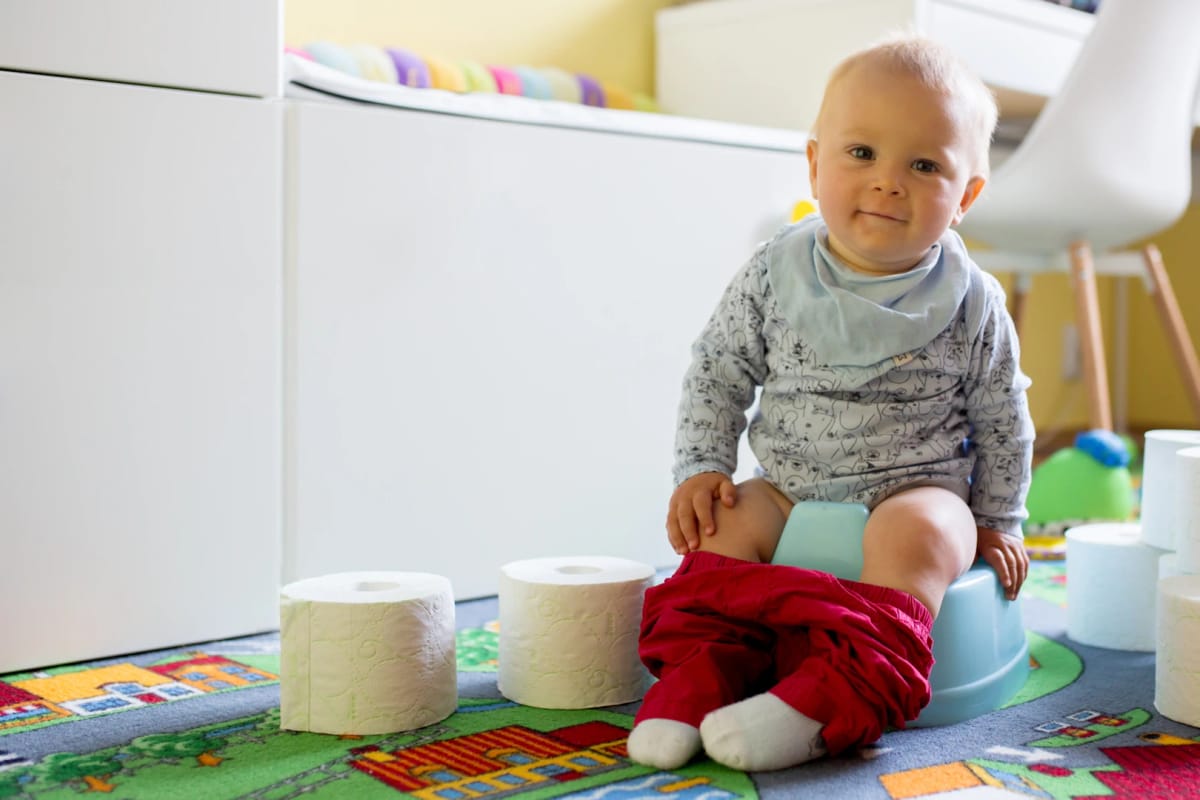
An Introduction to Elimination Communication
PDF VersionWhat is EC?
Elimination communication, or EC for short, is a timeless way of helping babies to wee and poo without soiling a nappy or making a mess. It is used in cultures around the world to assist babies with toileting from the first weeks or months of life.
EC gives babies the experiences they require to become familiar with their own pottying needs. With practice, even small babies can learn to communicate when they need to go and typically become reliably dry by between twelve and eighteen months of age.
It's respectful, positive for health, and good for the environment.
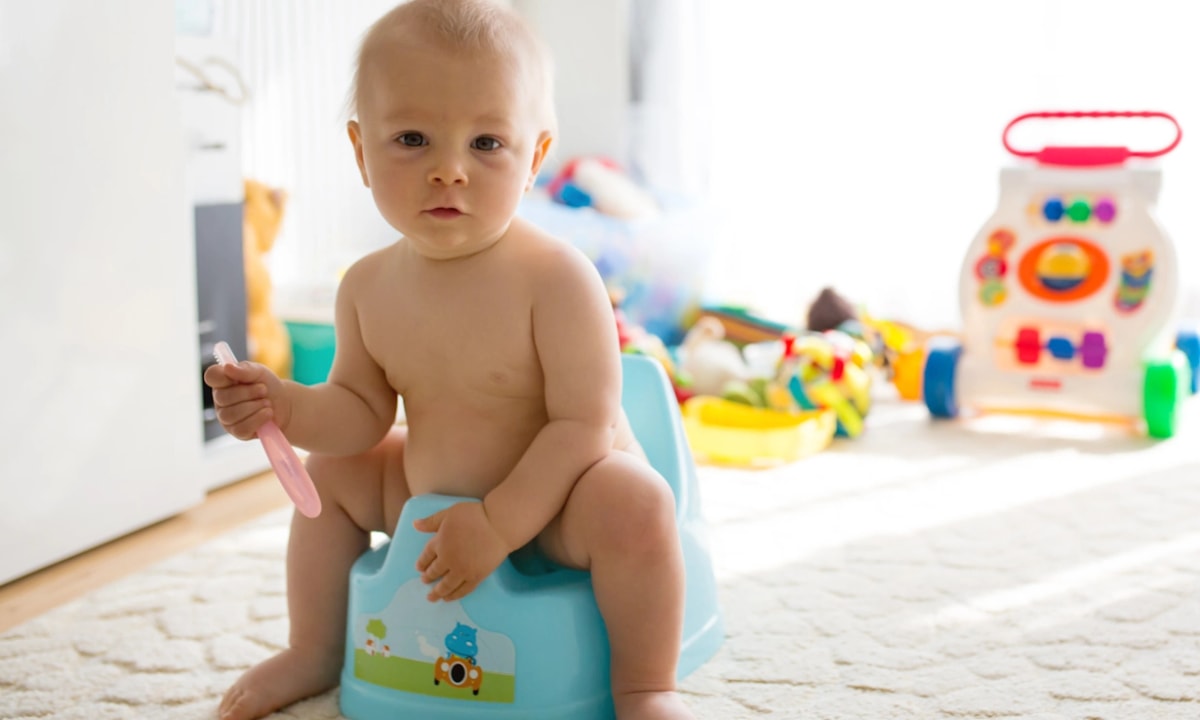
How EC works
Just like you, your baby feels discomfort when they have a full bowel or bladder. That discomfort might cause them to wriggle, make noises, or fuss, and these signals can give us a clue to what might be about to happen.
By responding to the signals and helping your baby use a potty they will begin to associate using the potty with the relief it brings, then, in time, they'll learn to seek assistance when needed.
Some parents like to use a cue such as a whistle or 'psshh psshh psshh' sound once they have their baby in position. It encourages babies to hold until they are in position and then go when they hear the sound.
In addition to visible signs, you can also offer the potty based on timing; for example, after a sleep or feed, or at set intervals. A good time based routine can be a very practical way to get started.
When to start
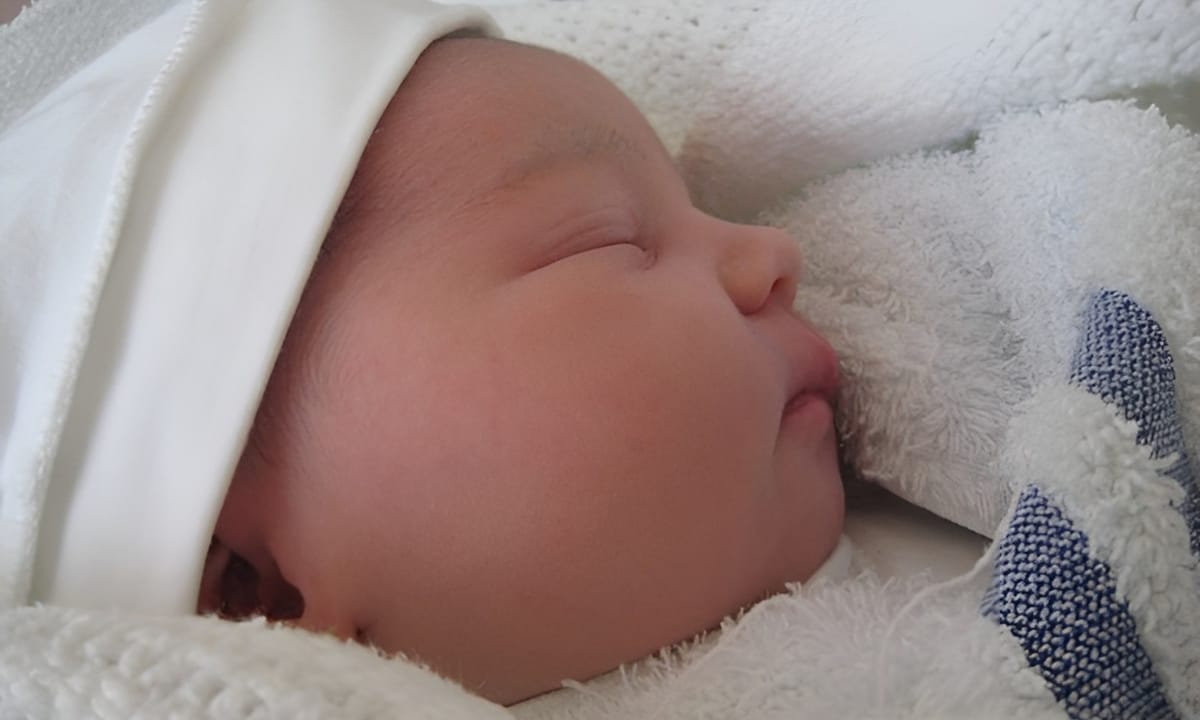
Newborn
Babies are literally born ready to be assisted with pottying: in fact, many parents who do EC from birth, or at least just a few weeks, believe it is the best time to start. These parents often report seeing an innate response in their babies that makes it easy to tell when they need pottying help.
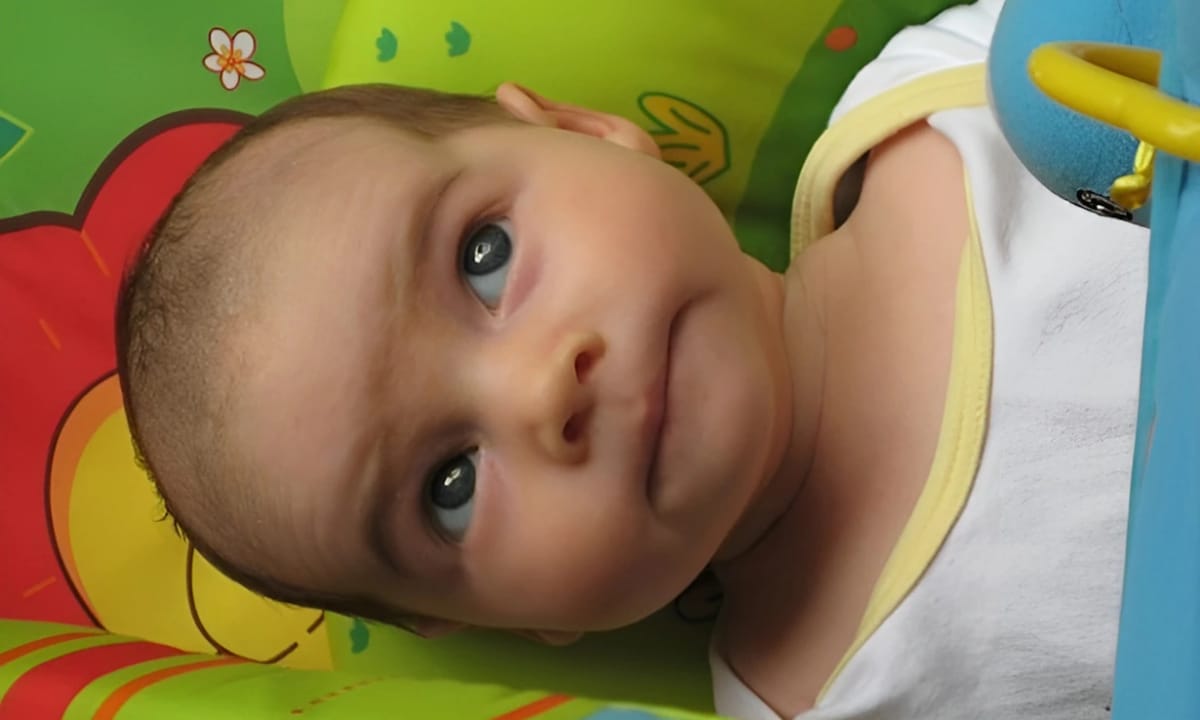
Three or Four Months
Starting later is fine too; by three or four months babies are a bit more robust, and as parents we've had time to gain confidence in handling and positioning them. The visible signals might not be quite so obvious, but a timing-based approach can be a very effective way to get going: then, with regular practice, new physical signals are likely to emerge.

Six Months
If starting at six months, your baby might be able to sit on a small potty by themselves, or with just a little support. They will have got used to relieving themselves into a nappy, and sitting on a potty will probably feel a little odd to them at first. However, they will have a more predictable routine, and building regular opportunities for potty use into that routine can be an effective way to get started with EC.
After Weaning
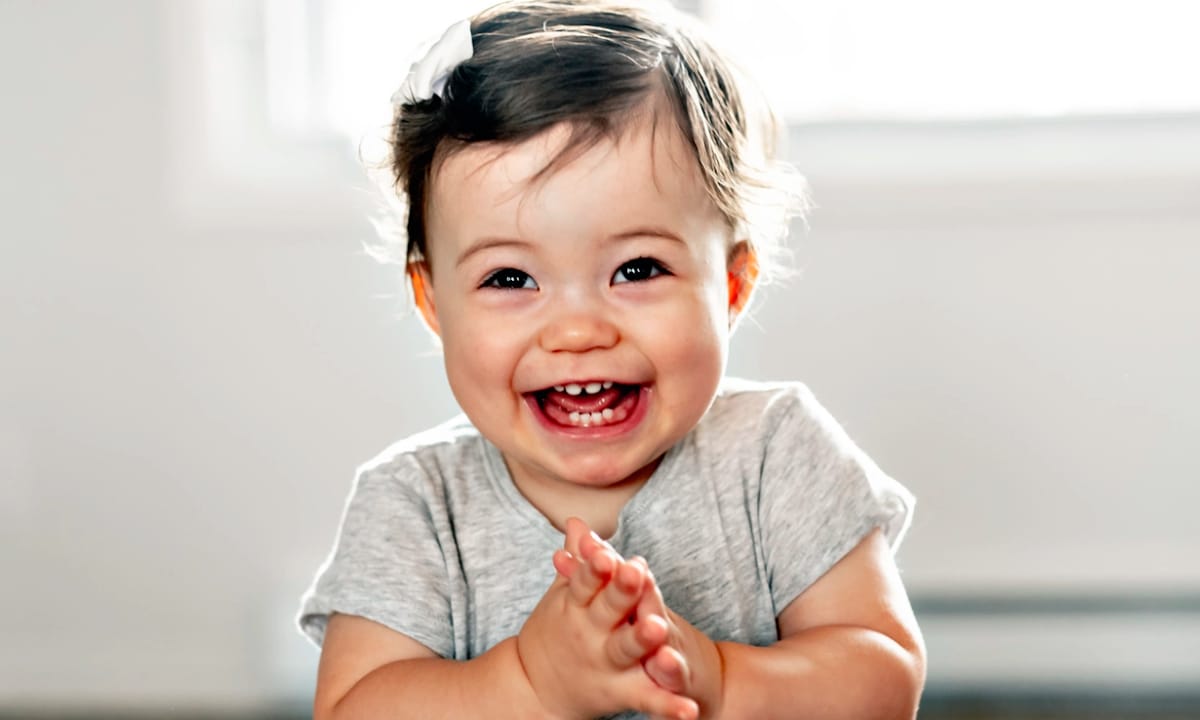
A significant change happens when you begin to wean your baby. Unsurprisingly, when your baby starts on solid foods it will make a noticeable difference to the poos they produce. Things will feel different to them, and their responses to the sensations are likely to be more obvious and easier to act on. This coupled with your baby's developing ability to convey their intentions, needs, and desires, makes it a great time to start or progress with EC.
EC Holds
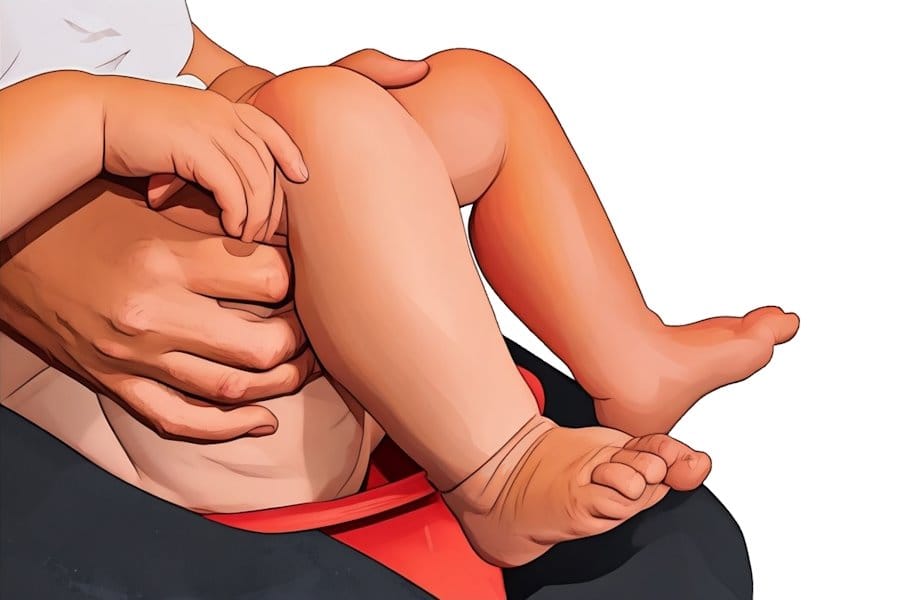
When you first start to offer the potty, your baby might be too small to use it directly. That's OK, there are several holds you can use to make it work.
These holds are really useful, they help to position your baby's knees higher than their hips which actually make it easier for them to wee and poo successfully.
There are many options, the key is to find holds that provide sufficient support for your baby that you can maintain for as long as required.
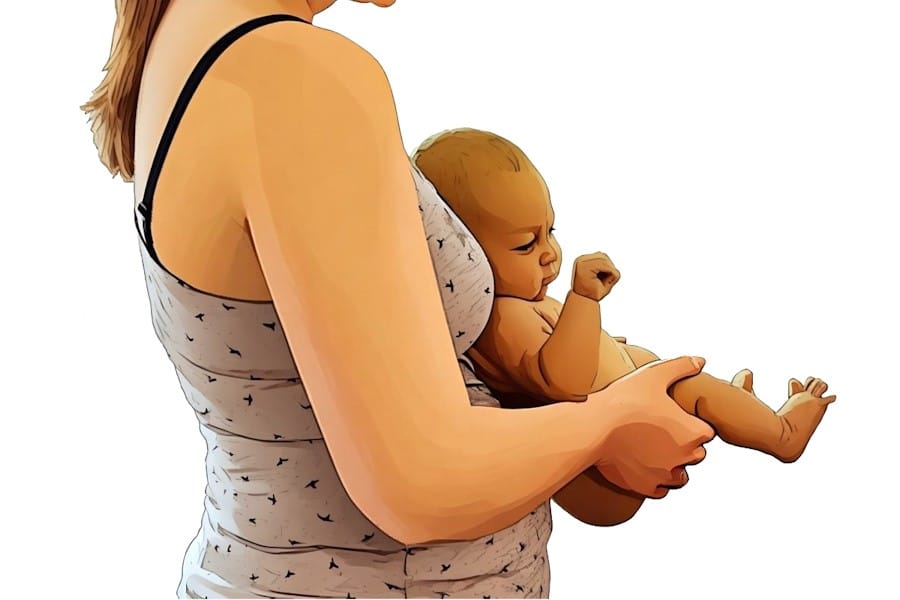
Classic
The classic EC hold, perfect for at a sink.
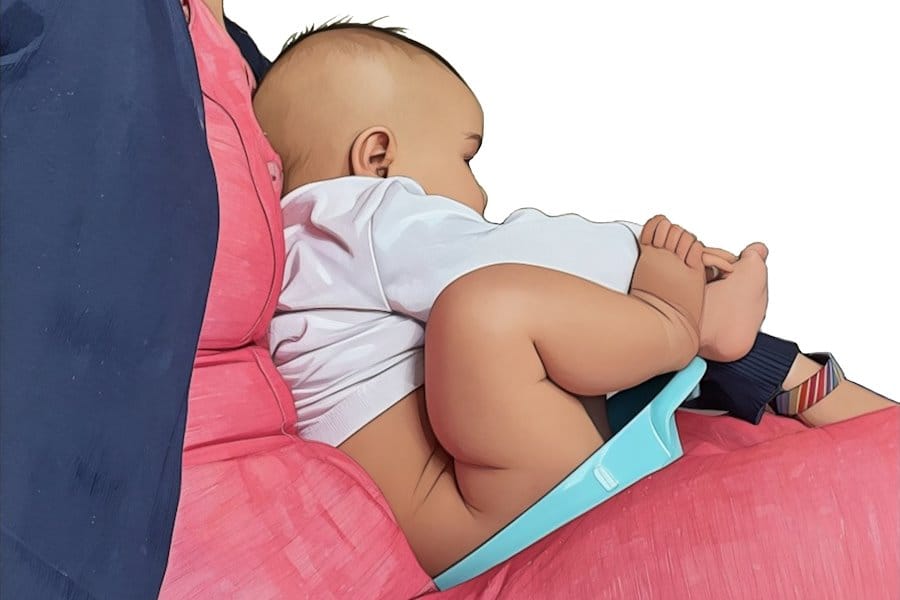
Tophat Potty - Small Baby
Top hat potty between the thighs - good for doing EC with small babies.
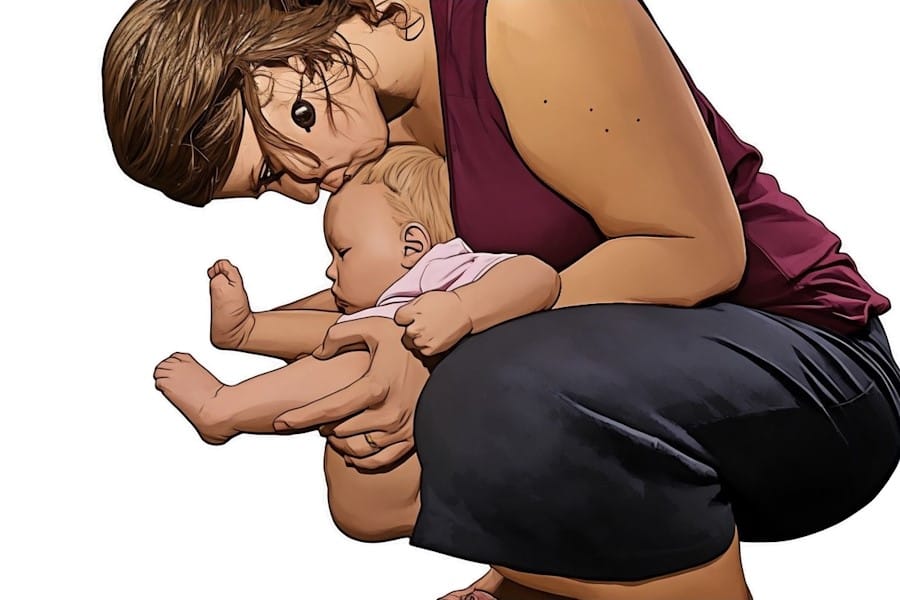
Squatting
Squatting works well outdoors.
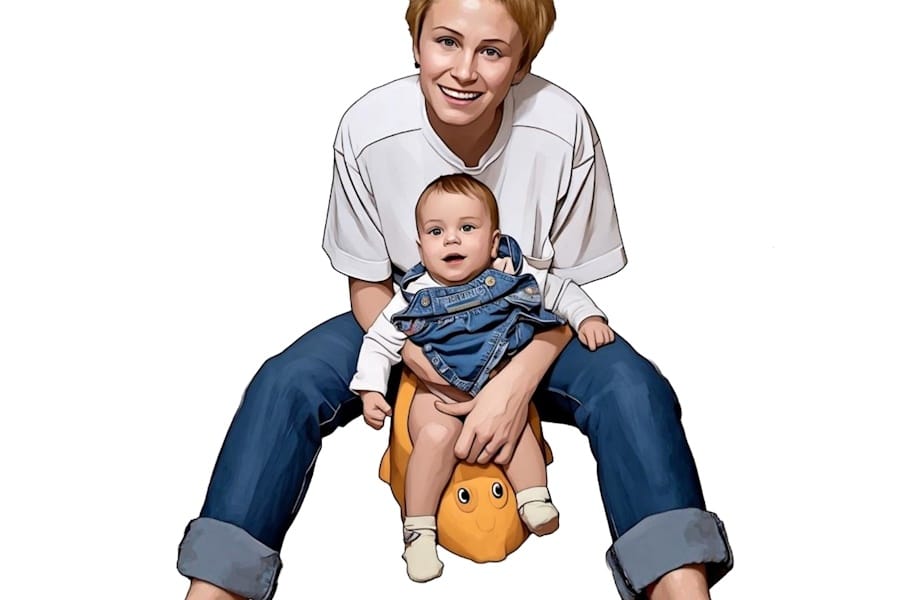
Tophat Potty - Bigger Baby
Top hat potties are good for bigger babies too.
Potty Support
Sitting behind your baby while they use the potty can be very practical.
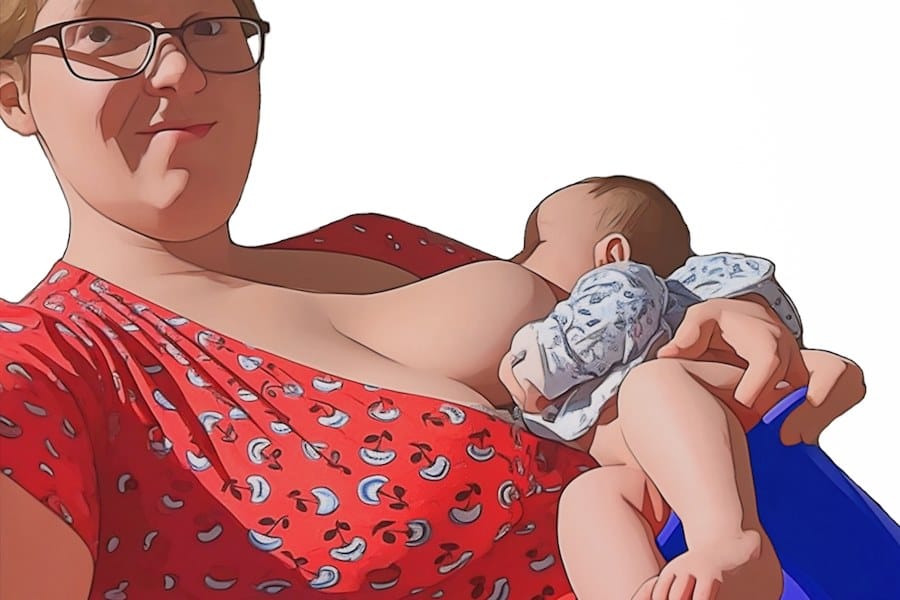
During a Feed
Multi-tasking with a top hat; making a catch, during a feed, whilst taking a selfie!

Traditional Support
Feet: baby faces in for a no.2, or away for a no.1. Common to potty learning in East Africa
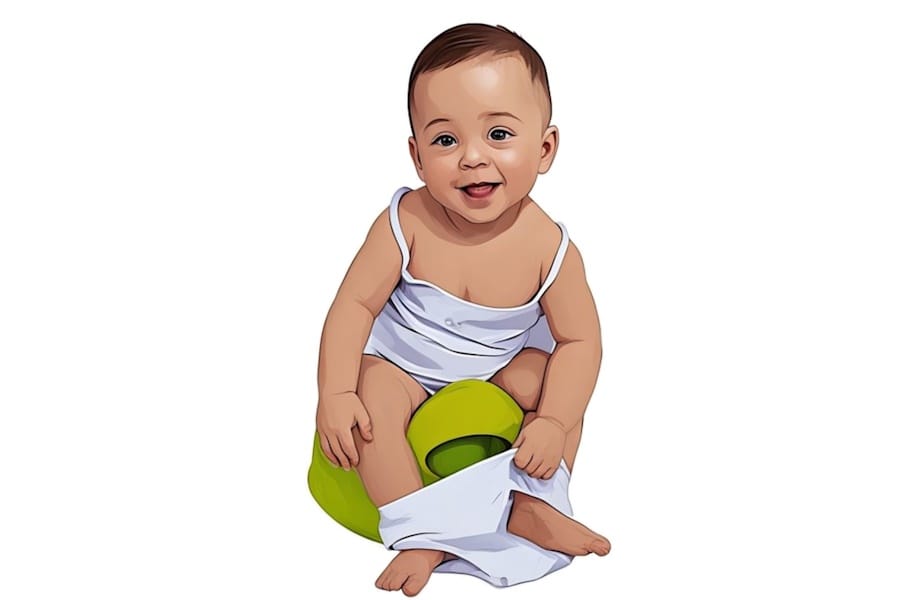
Sitting
Unaided sitting is a bit of a game changer.
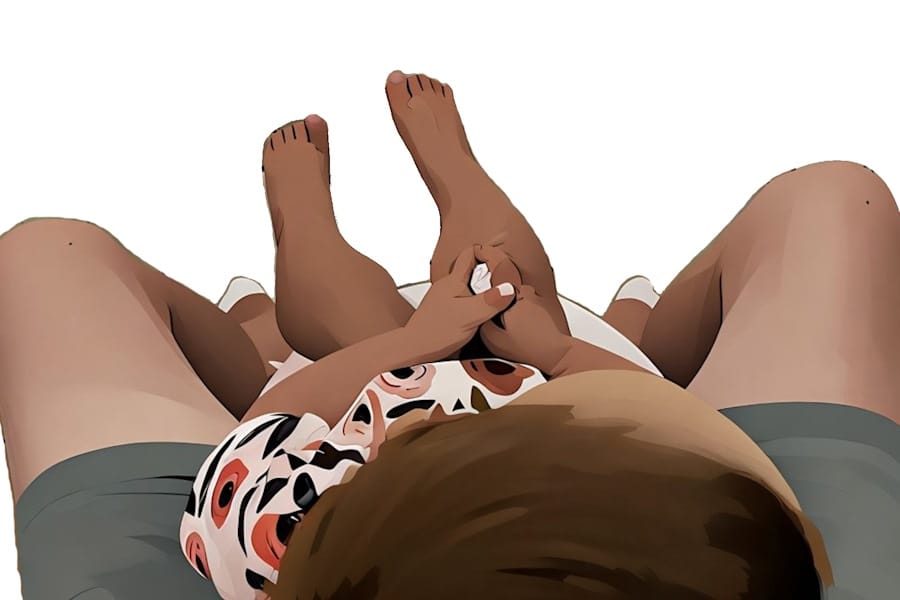
Together
Sitting with your baby as they use the toilet works really well.
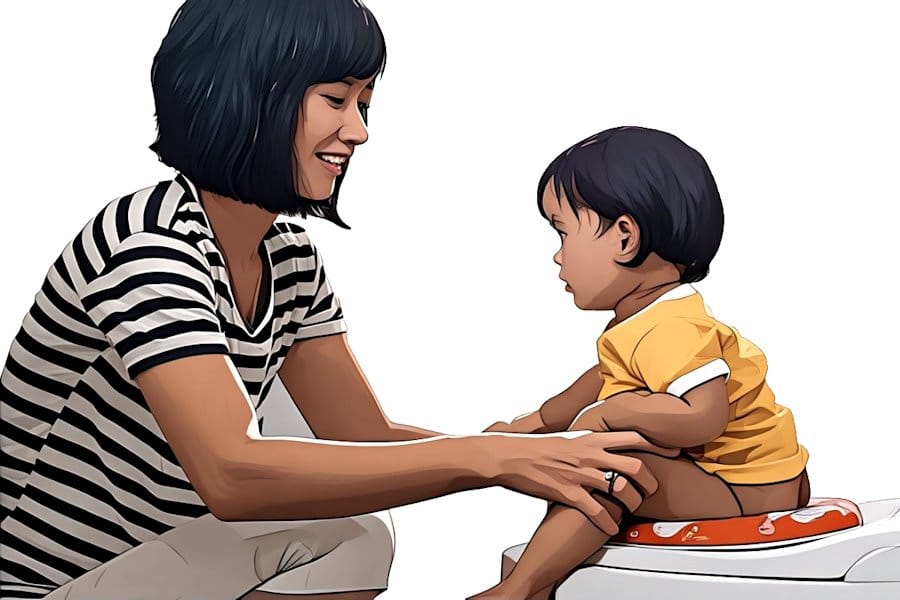
With a Reducer
Reducers are ideal, having a travel one can be extremely useful!
EC and Natural Development
During your baby's first year of life, they'll begin to develop mental models of the world around them. First they'll become familiar with their own bodies, then objects in their surroundings. They'll discover controlled movement and ways to interact with nearby items.
Play and experimentation advances these abilities. Soon babies begin to coordinate actions to achieve goals; they learn to roll over, adjust their bodies to be picked up, or stretch out an arm to have their water passed to them.
There hasn't been a formal lesson that water is good, water goes in cups, and if they stretch an arm towards a cup it will get handed to them. They've pieced this together from earlier experiences.
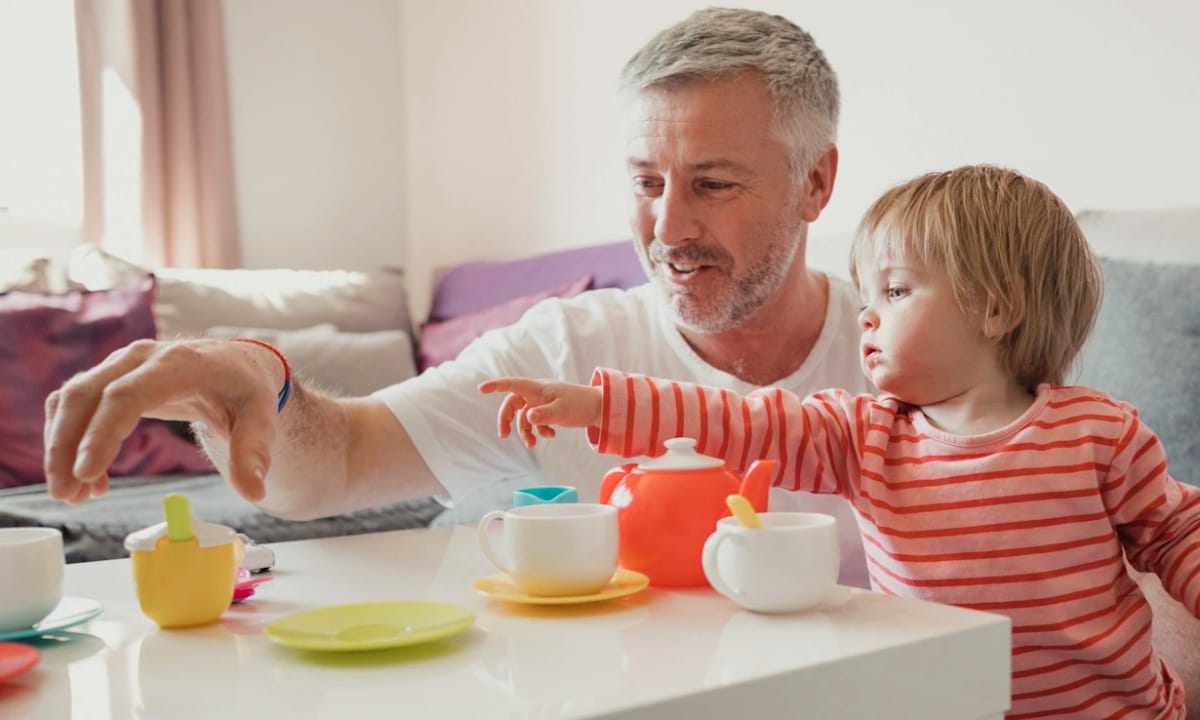
Development theory suggests that the first mental models babies develop are simply establishing what normal is. The more an experience is repeated, the clearer the mental model becomes and the easier it is for babies to take their understanding further.
Through regular EC, over time babies learn that being assisted with weeing and pooing is normal; to anticipate being assisted with weeing and pooing; and eventually, to seek assistance at the appropriate time.
How much is enough?
The terms “part-time” and “lazy” get used a lot in EC circles. They're loose terms that can mean anything from skipping night-time pottying, to occasional pottying during nappy changes. While the latter will help get your baby familiar with potty use, it's unlikely to be enough to help them learn to consistently hold for it. You'll get catches, but going in the nappy will be what feels most normal, and will still be your baby's default.
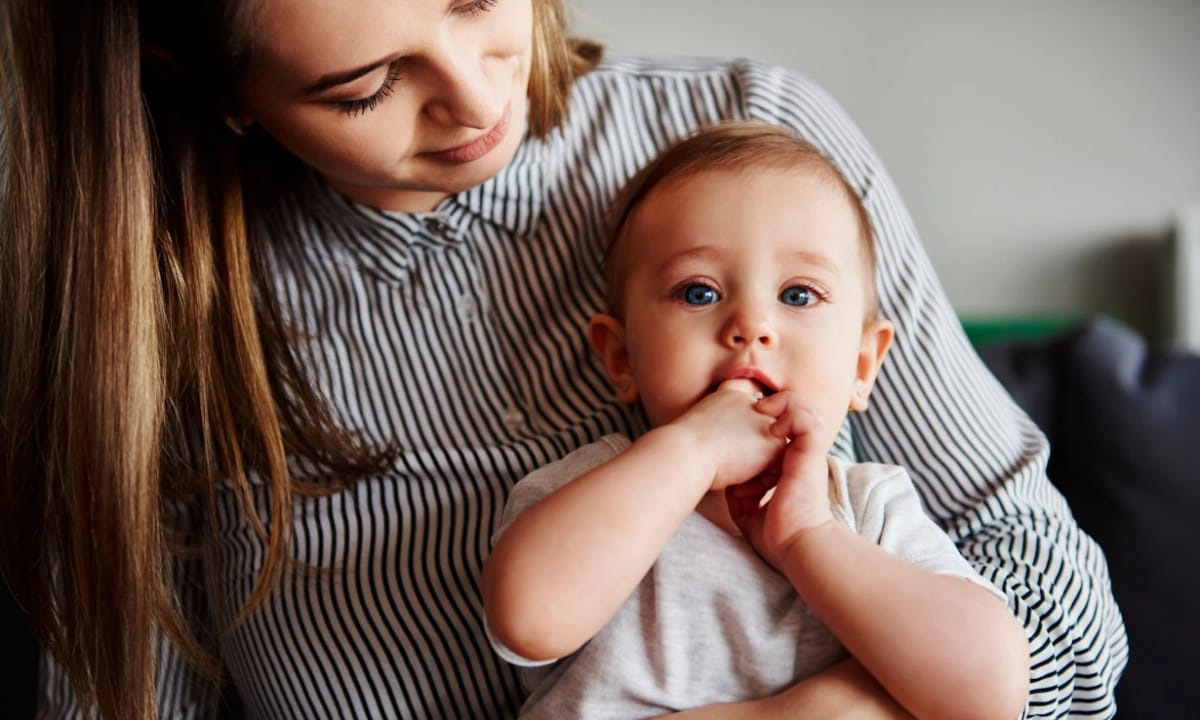
Ultimately, going beyond the approach of just trying for the most convenient catches, and working towards getting the majority of wees and poos in the potty will maximise opportunities for your baby to learn to anticipate, and then seek, assistance ahead of time!
Support in other child care settings is useful, but not essential; babies often learn to adjust their expectations based on where they are and who is looking after them.
For more on this, check out our EC & Childcare article.
EC Videos
Carmen and Alba
Although this video is billed as a guide to doing EC with a newborn, it's full of insights that can help all parents with an interest in EC. Even if you can't be as full-time as Carmen, it's still well worth a watch.
Environment & Health
It's no secret that making, washing and disposing of nappies uses a staggering amount of natural resources and energy, and produces huge volumes of waste.
Disposable Nappies
Trees from hundreds of thousands of acres of timber plantations are required to produce the absorbent fluff pulp that goes into the 33 billion disposable nappies used in Europe each year. This is land that could support more diverse ecosystems if allowed to return to wilderness.
In the UK, disposable nappies account for 12-15% of non-recyclable household waste; about a million tonnes every year! Most will be incinerated but energy recovery is poor due to their dampness after use. If sent to landfill they take between three and five hundred years to break down.
Reusable Nappies
Reusable nappies generate less physical waste and have a smaller carbon footprint, but the additional electricity, water and detergents used during washing mean they are still not ideal.
In fact, in a recent report by the UK Department of Agriculture and Rural Affairs, reusables were found to be less damaging to the environment than disposables in just 7 out of 18 environmental impact categories.
EC
The good news is that potty training earlier means less dirty nappies day to day (dry ones can go back on) and an end to their use altogether much earlier than would otherwise be the case. Therefore a reduced environmental impact, regardless of the nappy type!
Wider Benefits
Beyond the environmental impact, there are other reasons to potty train earlier.
Supporting Healthy Toileting Habits
Studies indicate that children that are assisted with toileting from the first few months of life can develop complete bladder emptying by 9 months instead of a more typical 36 months. This in turn reduces their chances of experiencing urinary tract infections.
Long-Term Bladder Health
Other studies have shown that babies who begin potty use before 6 months are least likely to experience delayed bladder control.












References
Kendra Cherry, MSEd. Adaptation in Piaget's Theory of Development. VeryWell Mind, accessed Dec 18 2025
Defra - Department for Environment, Food and Rural Affairs Life Cycle Assessment (LCA) of Disposable and Reusable Nappies in the UK. February 2023
T.H. Duong, et al. Urinary bladder control during the first 3 years of life in healthy children in Vietnam - A comparison study with Swedish children. Journal of Pediatric Urology (2013) 9, 700-706
J.-D. Tsai, et al. Incomplete bladder emptying is associated with febrile urinary tract infections in infants. Journal of Pediatric Urology (2014) 10, 1222-1226
Joinson, Carol, et al. A Prospective Study of Age at Initiation of Toilet Training and Subsequent Daytime Bladder Control in School-Age Children. Journal Developmental Behavioral Pediatrics (2009) 30, 385-393
Disclaimer:
The content on ecbabies.org is provided for informational and educational purposes only. It is not intended as a substitute for professional medical advice, diagnosis, or treatment.
The information regarding development theory and bladder health on this page is based on the cited references and does not constitute medical or expert advice.